Your Trial Message

Author name: ken.brodabahm

Expect that Jurors Might Think the System is Rigged

By Dr. Ken Broda Bahm: The U.S. midterm elections are now in the rearview mirror, with the ballots counted and the races — most of them at least — settled. But with a mixed result, it is no surprise that we’re hearing complaints from both sides about possible corruption, with liberals focusing on online misinformation,

Expect that Jurors Might Think the System is Rigged Read More »

Being Useful to Jurors is No Accident (Tips for All Experts from an Accident Reconstructionist)

By Dr. Ken Broda Bahm: Experts have a tough job translating sometimes technical detail to lay audiences and working closely with a party to the litigation while still maintaining the role of “teacher” rather than “advocate.” Some excellent and wide-ranging advice on how to thread that needle comes in the form of a couple of

Being Useful to Jurors is No Accident (Tips for All Experts from an Accident Reconstructionist) Read More »

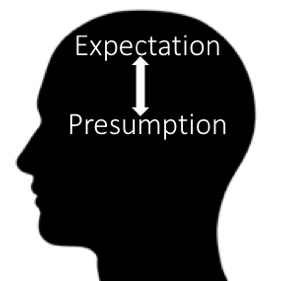
Voir Dire: Account for Both Presumptions and Expectations

By Dr. Ken Broda Bahm: A newly-published study about the effects of voir dire in capital cases suggests that social scientists and the courts may need to reconsider a long-held tenet. For at least the past 35 years, the belief has been that jurors exposed to the process of jury selection in capital cases, known as

Voir Dire: Account for Both Presumptions and Expectations Read More »

Make It Chunky: Eight Best Practices for a Structure that Sticks

By Dr. Ken Broda Bahm: It is one of those factors of advocacy that is understood at a basic level, but not practiced at an effective level: Structure. Whenever you are verbally presenting — opening statement, closing argument, oral argument, CLE’s — organize your content into clear and discrete main points. Litigators know that, of

Make It Chunky: Eight Best Practices for a Structure that Sticks Read More »

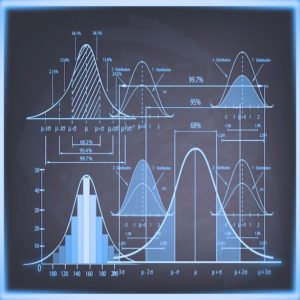
Explaining Probability? Use Frequencies Rather Than Percentages

By Dr. Ken Broda Bahm: Jurors and judges sometimes need to understand testimony regarding probability. For a criminal jury, maybe that probability relates to the chances of a false-positive on DNA identification. In a products case, maybe it concerns a failure rate. In an employment discrimination class action, it may relate to differing hiring percentages. And

Explaining Probability? Use Frequencies Rather Than Percentages Read More »

Distinguish Between Bias and Belief

By Dr. Ken Broda Bahm: The Massachusetts Supreme Judicial Court just heard oral arguments seeking to overturn a drug-possession conviction in the case of Commonwealth v. Quinton Williams. The Defense had appealed based on the judge’s dismissal of one potential juror who shared a belief that the criminal justice system is unfair towards young black men. The juror reported

Distinguish Between Bias and Belief Read More »